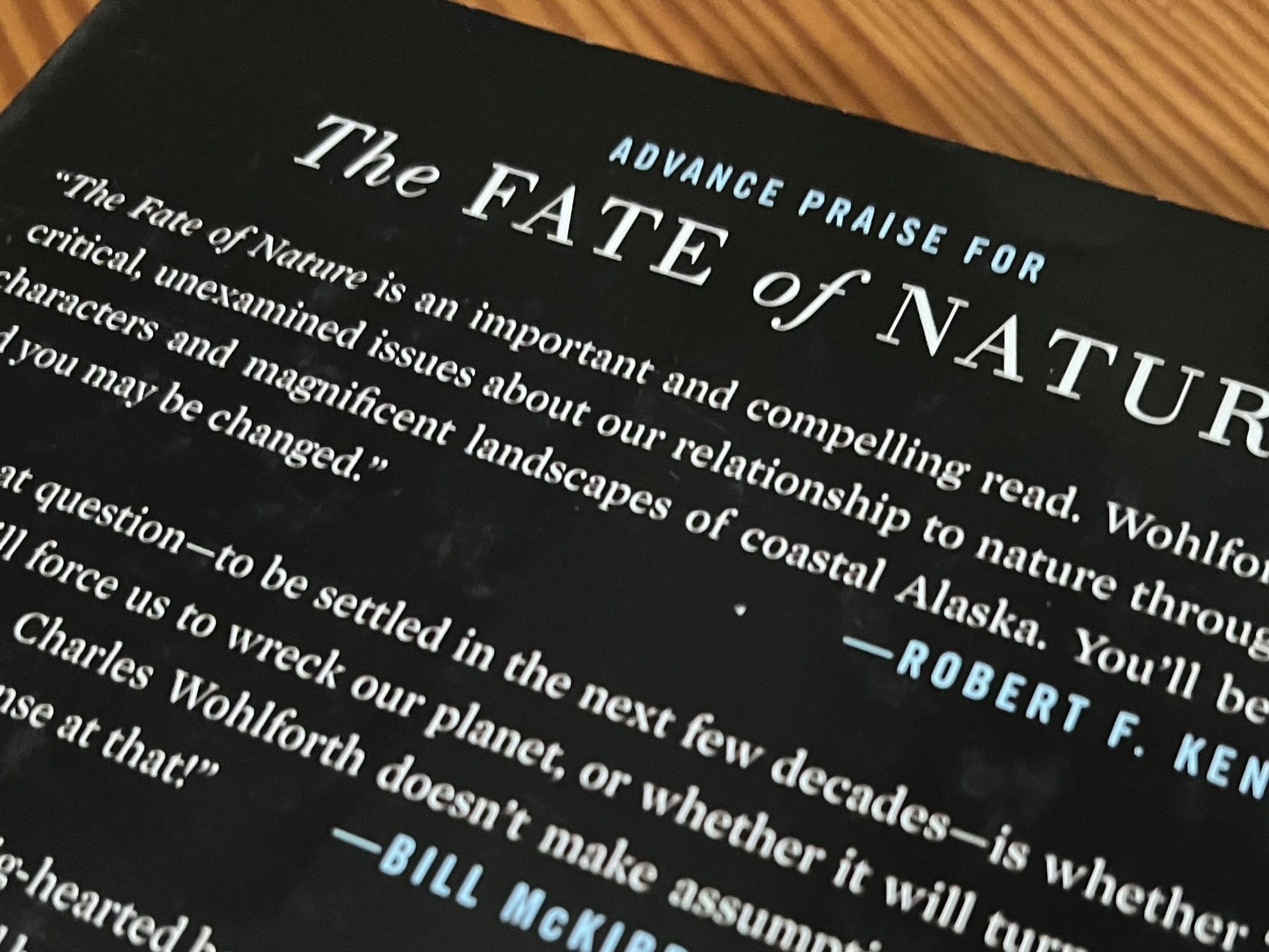
Readers think of the blurbs on books jackets as recommendations from influential people about the quality of what is inside. Publishers think of blurbs as licenses to make money. Writers think of them as markers of personal worth, like signatures in a middle-schooler’s yearbook.
I blurb when asked. I’m an easy blurber. Not promiscuous, because I’m not popular enough, but I’d much rather blurb than play hard to get.
Writers and editors like to pretend blurbs don’t matter, just as politicians claim they don’t really care about endorsements. But if that’s true, why do they pursue these words of praise so doggedly?
In truth, blurbers are key gatekeepers defending the crucial inner ring of the marketplace. Only by entering there, like a matador admitted to the corrida, does an author receive the red cape of attention and publicity—the coveted opportunity for a best-seller.
Good blurbs open the gate by encouraging publishers to believe in their own product. Books don’t sell well unless publishers expect them to, and invest accordingly. For example, the publisher must order a sufficient initial pressrun, as first-week sales are critical to success.
The stature and fame of blurbers matters most. And, to some extent, their rarity. Some people blurb so many books they lose their glamour—the truly promiscuous blurbers.
The quality of blurbs counts, too, especially for a blurber like me who is not famous. I don’t get why anyone would write a lukewarm blurb. What’s the point? If I want to help the author—and I almost always do—I go all out.
This is not a book review. The point of the blurb is to sell the book. No one looking at a book jacket wonders if the blurbs will be positive or negative. I won’t blurb a book at all if I don’t think it’s worth buying and reading, but if I do, I’m going to try to sell it.
Besides, I know the agony of the person asking. The blurb hunt is a lonely wilderness. Scouring your network for names and access. Knowing many prospects won’t have time, or simply won’t care enough to take the time. Writing ‘draft’ blurbs for busy people, as painstakingly as writing haiku—worrying over every word, trying to sell the book, but careful not to go too far in self-praise, and always worrying how far the potential blurber might go.
It normally takes a year after the manuscript is done for a trade publisher to bring out a book. The blurb hunt is a significant part of that time.
For an author, it is a time for humility. After years of developing a book, working with an agent and producing a proposal, selling the idea to a publisher, and then researching, writing, and editing—so many hours alone—you are forced to realize that it’s just too much trouble for most important people even to look at an advance copy and sign a pre-written blurb.
But when a blurb comes in, and it’s good, what joy! It’s like having the cutest girl in school sign your yearbook with a heart.
If you enjoy my newsletter, please share it.