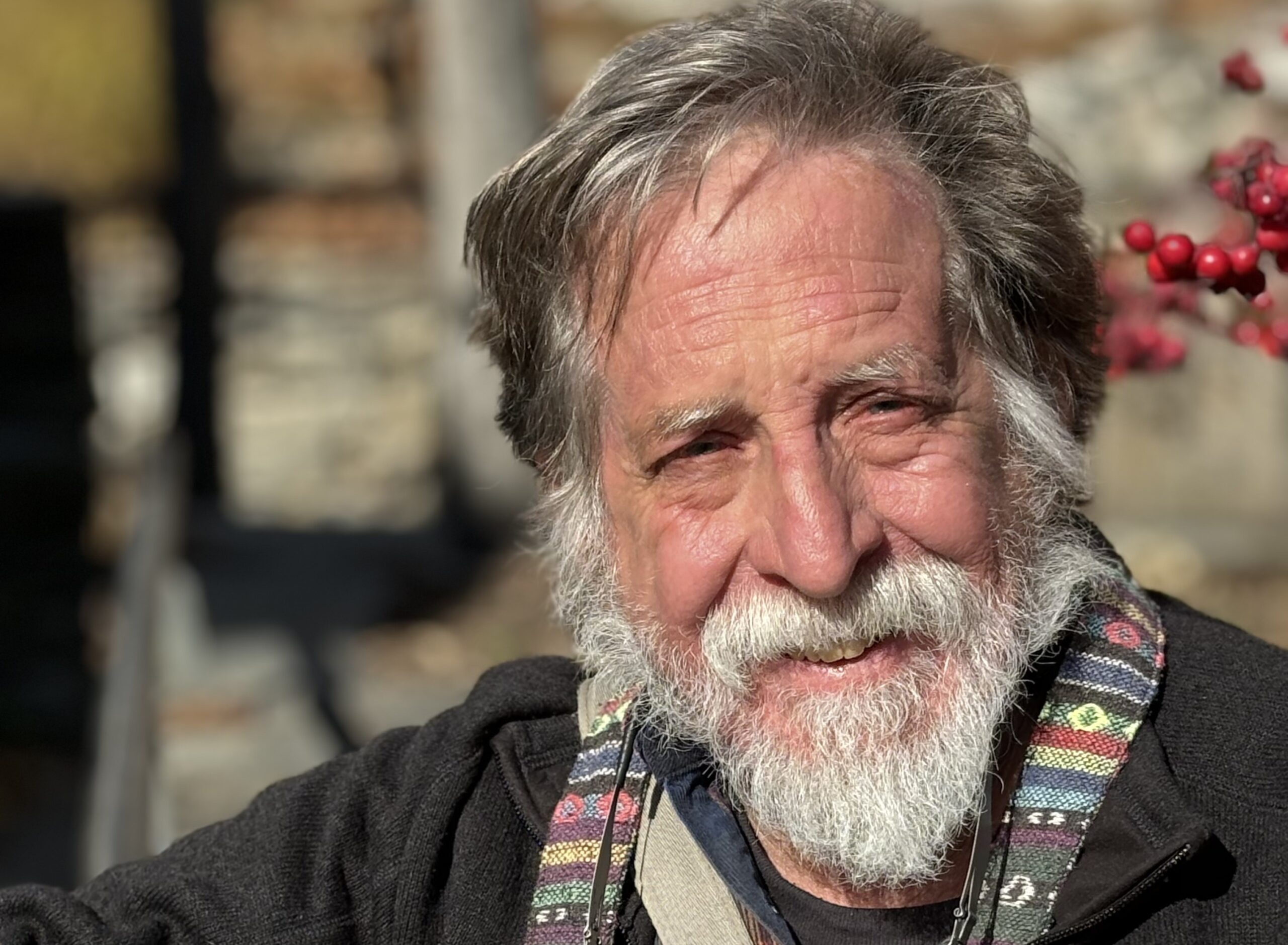
Michael Armstrong dedicated 22 years to the small-town weekly Homer News before he retired. When it blew up over a Charlie Kirk article last year, losing its credibility and its staff, he answered the call to edit a replacement news source started by community members who held a bake sale.
The News, the paper where I started my career in the coastal Alaska town of Homer, had an illustrious reputation, but was sold several times, ending up with a private-equity-funded consolidator of more than 250 small newspapers, Carpenter Media Group, which has been called the “cruelest” of newspaper chains.
Carpenter makes money by purchasing distressed papers, firing staff, and cranking out lots of low-quality content. After the scandal in Homer, which I wrote about previously, the News was left with a single journalist. The paper’s body is still there, but the soul is gone.
“Is the Homer News a zombie?” Armstrong said. “Not yet, but they are close to getting bitten. The virus is in the air.”
Homer is an energetic town, full of writers and artists as well as fishermen. Folks got together to try to do something. First, they tried to buy the newspaper, then they decided to start their own. The Homer Independent Press published its first edition on January 1. It is owned by a non-profit corporation called NZP4H, which stands for “No Zombie Paper For Homer.”
Community gatherings, small donations, and the bake sale, held at a brewery, quickly brought in $10,000, enough to get started with volunteer staff. Armstrong said he wasn’t interested in a job, but agreed to be the editor while the publication started. An advertising salesperson became the first paid worker.
This has happened elsewhere in Alaska and around the country. The non-profit States Newsroom has outlets in all 50 states. Hundreds of non-profit news sites have sprung up, with more than 3,000 employees total. That’s still a tiny fraction of the reporter jobs that have been lost, but it’s a source of hope.
The Washington Post, its reputation tainted, recently died as the hometown paper of our nation’s capital, with mass layoffs and abandonment of local news. Peggy Noonan wrote movingly about this loss, and about the failure of for-profit news executives to imagine a viable future.
The non-profit start-ups have plenty of imagination, but we don’t know if they will have staying power. Newspapers have been devoured by social media companies with unfair business advantages. The non-profits must also cope with those economics.
Relying on philanthropy alone can be dangerously unstable—as unstable as the moods of large donors. Partly for that reason, some non-profit journalism has a reputation for timidity.
For true independence, the new outlets will need broad-based support, not money from a few rich contributors. That’s part of living in a world divided between billionaires and the rest of us. People banding together for the common good might be our best chance to preserve democracy and healthy, connected communities.
Thanks to Michael Armstong and experiments like his, we have a chance to try.
Correction: An earlier version of this newsletter described the advertising person for the Homer Independent Press as an employee. She is a contractor.
If you enjoy my newsletter, please share it with others. Find other editions here.
T