Today, the vast majority of books are paid for by those who want a book to exist, not by readers’ purchases. Sales rarely compensate for writers’ years of labor. Fortunately, good people and institutions still support important books, and the culture survives.
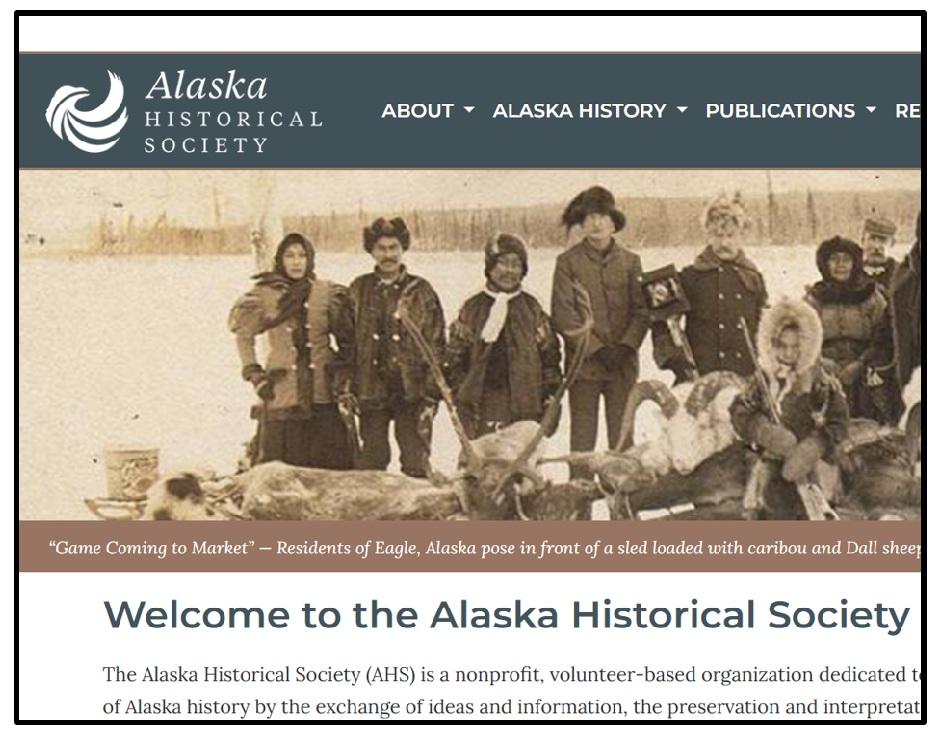
My work with the Alaska Historical Society is an example. The group is raising money for a new authoritative history of Alaska that I have proposed to write.
Recently, the Frances and David Rose Foundation made a generous contribution. Twenty years ago, working with Dave on his book, Saving for the Future, gave me a taste for writing Alaska history, as we recounted the creation of the Alaska Permanent fund. His family continues contributing to the state he loved.
Putting a new history book on the shelf will take several years. I wrote about my ideas here, more than a year ago, as I was developing the concept.
Bookstore sales used to fund more non-fiction books, but the world has changed. Since 1997, the average price of a book has slightly declined, according to the Bureau of Labor Statistics, while inflation has cut the value of those dollars in half—effectively, a 50 percent cut for authors, since royalties are based on the cover price.
Fewer people read serious books and it’s harder to get published through traditional channels. But the cost of printing and designing books has also dropped, supporting publication of many more academic books, and self-publishing has exploded.
But even if printing is easy, writing a book remains a long, lonely, and costly job. For the history, I’ll be employing a research assistant, traveling to and within Alaska, and paying for rights for photographs, among various other costs.
The Alaska Historical Society is raising funds and has submitted grant requests to a variety of foundations that support cultural work. The University of Alaska Anchorage’s Institute of Social and Economic Research has offered me affiliation to give me access to its resources, as well.
If you’re curious about what it takes to launch an idea like this, here is the 27-page packet describing the proposed book and the endorsements it has received. The fundraising phase will take as long as writing the book.
(The historical society has a donation link here, for contributions of any amount—donors must write ‘Wohlforth project’ in the space labeled ‘Designate my gift to this specific project’.)
Who pays for information directs its purpose. Traditional daily journalists are disappearing, and at the same time the number of public relations workers has risen—today there are five PR reps for every working journalist in the U.S.
We should all support quality, objective work by buying non-fiction books and legitimate news, but writers often need more help now. Institutional support and voluntary contributions are keeping good work alive. Public broadcasting and Pro Publica are examples in the news media.
I’m grateful for that, and I’m excited about bringing my history of Alaska to life.
If you enjoy my newsletter, please share it.