Few writing tasks are as risky as describing sex. The task itself is easy and can be fun—but even celebrated writers make fools of themselves doing it, revealing their own fantasies, hyperventilating at the keyboard, and giving their readers giggles or yawns.
Writing well about boredom is difficult, too. And for some of the same reasons.
I refer here not to pornography—or erotica, as the same material is called when it is to one’s own taste—but to serious fiction. Sometimes the challenge comes up in non-fiction, too, in descriptions of attraction, desire, or physical beauty.
The Bad Sex in Fiction Award was given for many years by the Literary Review of London. The judges considered only literary writers, including winners of contests or famous authors, including Tom Wolfe, Norman Mailer, and Stephen King. It’s hilarious to read these quotes and take-downs (only the English are so good at ridicule).
There is no award for writing about boredom. (Who would volunteer to be a judge?) But the challenge is similar: to convey boredom, you cannot be boring. Somehow, you need the reader to mentally replay what boredom is like, and to spark those thoughts in an interesting way.
In either case, the writer must convey subjective experience to readers who do not share a point of view. Sex is particularly subjective. It feels different to everyone—we don’t have the same drives, attractions, or even the same equipment.
Pornography is designed to turn people on, but what’s steamy to one reader is gross or tedious to another. The particulars are non-transferable. Failed sex scenes from the award website share that kind of specificity. No doubt this prose turned on its authors, and probably some readers, too, but nothing looks sillier to those who aren’t moved by it.
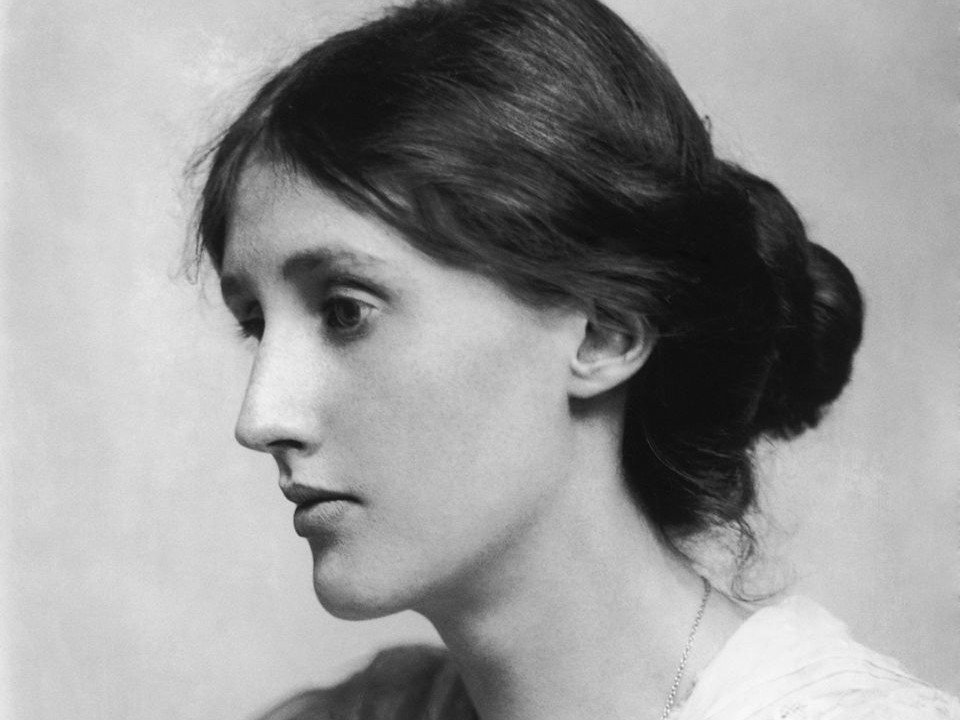
But the task isn’t impossible. Virginia Woolf made tedium electrifying in To the Lighthouse, with 20 pages that describe an empty house.
“Nothing it seemed could break that image, corrupt that innocence, or disturb the swaying mantle of silence which, week after week, in the empty room, wove into itself the falling cries of birds, ships hooting, the drone and hum of the fields, a dog’s bark, a man’s shout, and folded them round the house in silence.”
My rule: the more subjective the experience, the more metaphorical the writing must be. The best sex scenes don’t discuss parts of the body or describe physical sensations. They capture the energy of coupling by invoking feelings of yearning, disclosure, and release—which come from different places for each of us, but emotionally arrive at the same destination for all.
As I’ve written here before, literature is not a window on reality through which to see. The page is opaque. But words carefully chosen can stimulate associations in a reader’s mind that create a picture more vivid than any recitation of color or shape.
Writing well begins with empathy, as the writer imagines networks of thought and feeling in the reader’s mind to be energized by each selected word.
In that way, a good writer is like a good lover. Always thinking of the other person.
Image: Virginia Woolf in 1902, from Wikimedia Commons.

If you enjoy my newsletter, please share it with others. Find other editions here.