In the most expensive and dirtiest election in American history, something interesting happened: voters paid attention to core issues and didn’t get distracted by an overwhelming volume of mud-slinging and lies. Extraordinary billionaire spending was wasted.
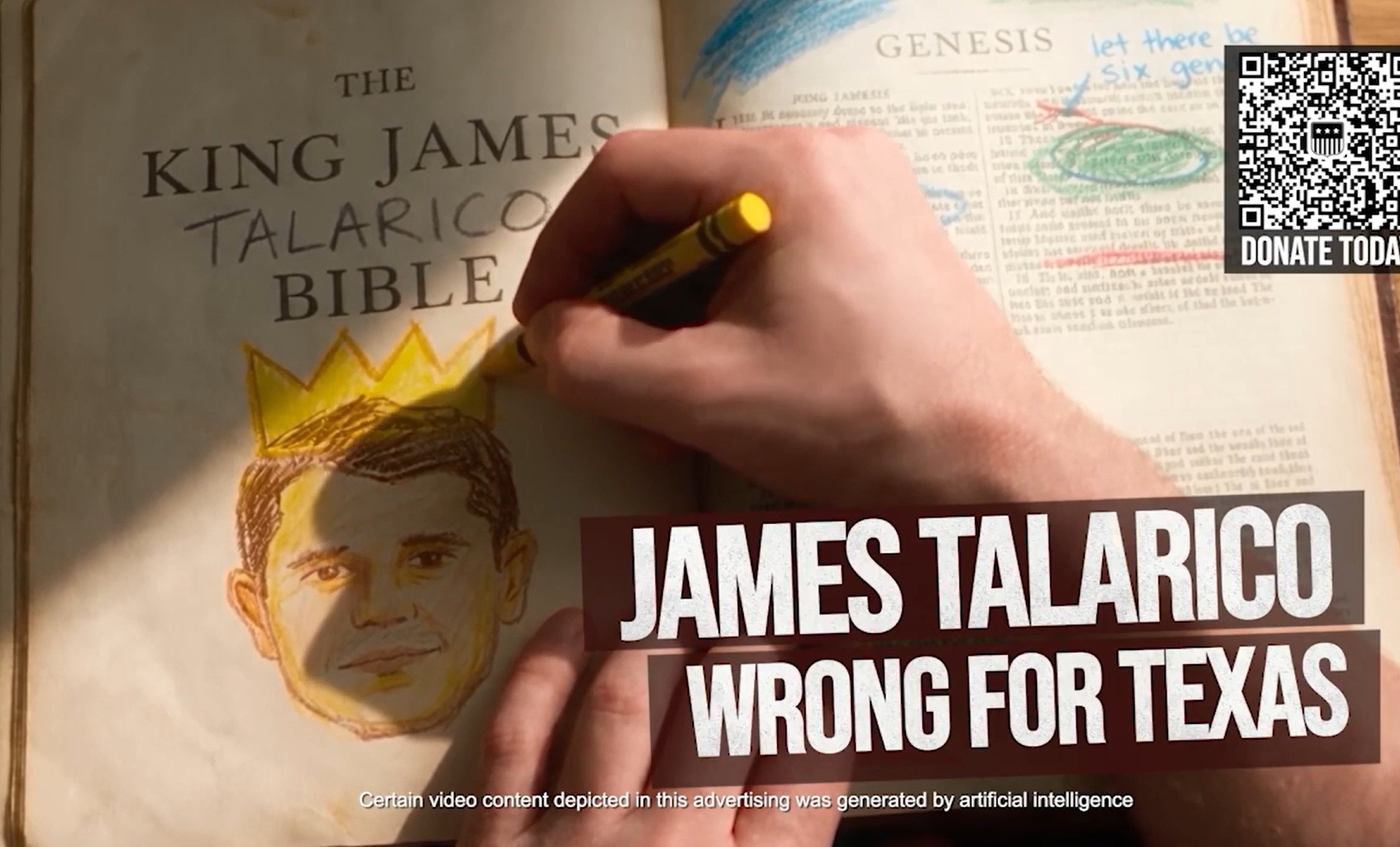
In Texas, an AI video depicted James Talarico defacing a Bible with a crayon. An Ohio ad exploited a gubernatorial candidate’s childhood rape by her stepfather. A radio jingle in Maine accused a candidate of having sex with his cousin, with the line, “If he’ll f**k his own family, he’ll f**k yours too.”
The targets of those ads won. Nationally, voters leaving the polls said their top issues were prices and the economy, corruption, the Iran war, and the state of our democracy.
Americans have learned not to trust most of the information directed at us. For good reason. AI agentic bots now are more active than humans on the internet. AI writes a third of web content, and 40 percent of facebook posts. The Pew Research Center says that 73 percent of Americans have been the victim of an online scam.
Getting scammed is a hard way to learn media literacy, but now most of us know not to trust. Even the voice of a friend asking for help can be a scam. (Writers are especially vulnerable and targeted.)
Untrustworthy information is useless. As it overwhelms the internet, perhaps we’ve hit bottom and the situation will improve.
Or maybe not, but it’s still nice to know vile lies are not working in campaigns as they once did. Those of us dedicated to writing truthfully—journalists, scholars and other non-fiction writers—we need the hope that our little puddle of light can expand.
I’m pretty sure you can trust me, and I imagine most readers have a list of writers and publishers they know are legitimate. In that sense, we’ve returned to life before the Industrial Revolution, when people lived in small communities and got news from those they knew personally.
As cities grew too large for personal relationships to disseminate the news, newspapers developed into that job. Journalistic standards evolved later in newsrooms and journalism schools, an example of society organically building norms. There was money in being a reliable source of information.
Social media has helped destroy that industry and its traditions. Algorithmic feeds have become the most popular distributer of news, and the world’s largest source of misinformation and scams, from which giant companies make a lot of money.
Now the public seems to be noticing. Everyone wants the scams policed. Facebook is paying big legal settlements and judgements for deceiving users about privacy and harming children.
Datacenters have become political poison, and a large part of that is because of resistance to AI. Polls show 75 percent of Americans view AI with fear and concern, and 57 percent believe it is bad for society.
Tech industry profits depend on people adopting these products. Sometimes it feels like we don’t have a choice. But when Elon Musk spends almost half a billion dollars on an election and gets no results, that could be a sign that their pitch isn’t working anymore.