I was asked again today how to become a writer—how did I do it?
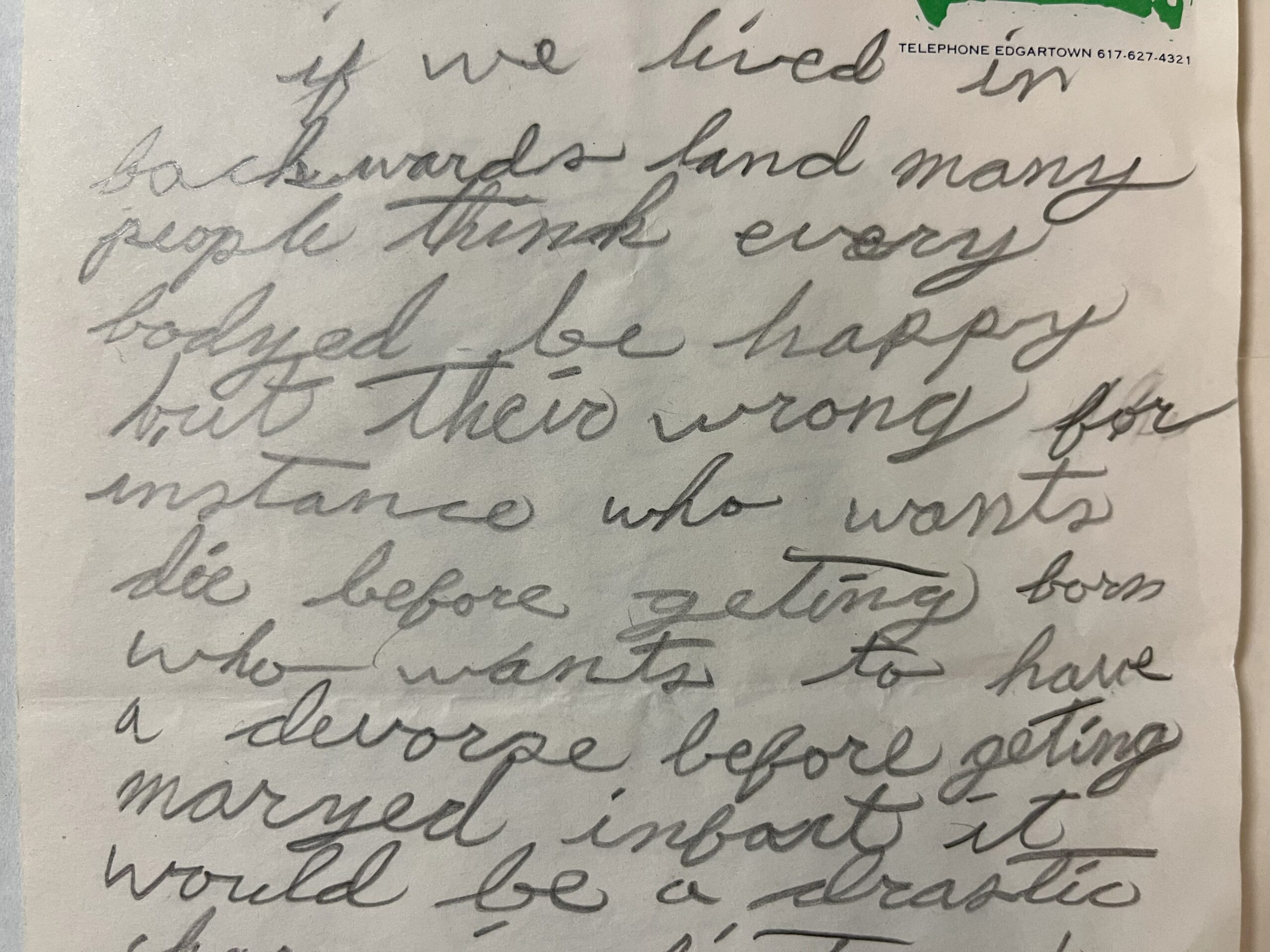
My first piece, a short story, was published in the Southeastern Sun and Salmon Wrapper, a Juneau alternative paper, when I was in third grade. I had only recently learned to write, but I already thought of myself as a writer. That belief has never left me.
In a sense, it was a curse. There are many easier ways to make a living and raise a family other than by being a full-time writer. I’ve never felt I had a choice.
As it turned out, that certainty was what I needed.
Talent plays only a small part in writing well and mainly at the extremes. The greats have something special and the hopelessly bad lack something basic. For most of us who reach a professional level—in writing as in music or visual art—the key ingredient is not talent but a drive or obsession that powers intense and relentless practice.
I wrote stories and novels all through elementary school and high school and wrote or edited school newspapers beginning in the fifth grade. I attended progressive schools that rewarded my creative efforts, gave me room to do my own thing, and never ruined me with five-paragraph essays or similar tortures that crush kids’ spirits.
My grandmother, who I profiled here, herself a wonderful novelist, constantly encouraged me, but warned me that for a writer to develop, he or she must put 1,000 words on the page every day, from childhood to old age. I didn’t need to be told—I already wanted to write or read all the time.
Musicians never stop practicing or hearing music in their heads. Artists always sketch and look for images around them. Writers always write, read, or think about stories or words.
Reading is key. Writers must read quality work, constantly. If you only read junk, or don’t read at all, you cannot write well. What you read guides how you use words. This happens largely without conscious awareness, like the process of building muscle memory for hitting a ball or skating on the ice.
You can write adequately by brute force, squeezing out each word, deleting it, trying another. Similarly, almost anyone can painfully pick out a tune on a guitar or piano. But to rise to the level of fluency, like a jazz artist who improvises delicious solos, the basics must become automatic and essentially effortless.
Most things that are worthwhile require time and dedication. The truth that writing well demands commitment should not obscure the good news: that most people who do make the investment will reach their goal.
That’s one reason I enjoy working with writers as a coach. I get to see them progress toward a final product of true merit that reaches readers’ minds and hearts. With the effort comes the pride of accomplishment.
And therein lies the answer to question—how to become a writer? You have to want it.
If you enjoy my newsletter, please share it.